
Europe
Air & Sea Freight in Europe
Find air and sea freight specialists in Europe. Tour cargo logistics, ATA carnet handling and cross-border shipping for productions across the continent.
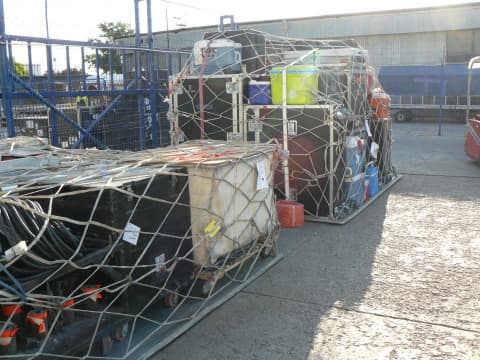
Europe's touring circuit is the most densely routed in the world. Productions move between countries within hours, crossing multiple borders in a single week, and the freight logistics behind a major European run are considerably more complex than the schedule alone suggests. Air and sea freight specialists across Europe who work exclusively with touring and live entertainment bring the carnet knowledge, bonded warehouse access and airport relationships that general logistics operators simply do not have.
The European Touring Freight Market
The concentration of major arenas, festival sites and production hubs across Western Europe makes this continent the busiest single market for entertainment freight. The summer festival corridor running from the UK through Belgium, Germany, France and Scandinavia generates enormous demand from May through August, and operators who serve this market build their capacity around it. Outside festival season, the arena touring circuit keeps freight volumes high year-round, with productions regularly moving between London, Amsterdam, Paris, Berlin and beyond on consecutive days.
UK-based operators have historically dominated the European entertainment freight sector, with companies such as ETL Logistics in London, Global Motion Ltd in Hayes and Horizon Entertainment Cargo (UK) in Hampton each handling significant volumes across the continent. The Antwerp and Rotterdam port corridor is equally important for containerised sea freight, and operators such as Triple M Entertainment Logistics, based in Deurne near Antwerp, are well positioned for productions moving equipment by sea into or out of Northern Europe.
What European Freight Specialists Offer
Entertainment freight in Europe is rarely a straightforward point-to-point move. A typical service covers customs documentation and ATA carnet handling, time-critical air freight for backline and production consumables, sea freight container management for full production rigs, and bonded warehouse facilities at key hub airports. Operators with offices in multiple countries provide a particular advantage on long routing runs, managing each border crossing locally rather than relying on subcontracted agents.
The Ireland-UK-Europe routing is a common pressure point, particularly for productions originating in Dublin or routing through the island of Ireland. McGuinness Trucking (Ireland), based in Dublin, and McGuinness Trucking (London) both operate across this corridor, handling the specific documentation and routing requirements that productions on an Ireland-UK-Europe run face. Specialist knowledge of the land bridge route and current post-Brexit customs requirements for goods transiting Great Britain is genuinely useful here.
Choosing a Provider for European Tours
With a strong pool of operators across the continent, the key differentiators are geographic reach, airport and port relationships, and in-house customs expertise. For productions routing into Scandinavia, an operator with established connections at Helsinki, Stockholm or Oslo airports is worth prioritising. Valova Oy, based in Vantaa near Helsinki Airport, specialises in this northern European corridor. For productions moving equipment through Eastern Europe, operators with local knowledge of customs procedures in Romania and neighbouring markets, such as Bee Freight Forwarding SRL and Freight & Business Aviation Solutions SRL, both in Bucharest, offer practical advantages that a London-based operator working at arm's length cannot easily replicate.
For productions that require sea freight as part of the European leg, Felixstowe is the primary UK container port for entertainment cargo. Confirming that your freight operator has a direct relationship with the port and bonded warehouse facilities nearby will save time on clearance. Sea freight from the UK into continental Europe typically transits through Rotterdam or Antwerp, both of which have well-established entertainment cargo handling infrastructure.
ATA Carnets and Cross-Border Documentation
ATA carnets remain the standard document for temporarily importing professional equipment across European borders, particularly for productions moving into non-EU countries such as Switzerland, Norway, the UK (for EU-originating tours) and Turkey. Equipment moving purely within the EU does not require a carnet, but productions that include non-EU dates on the same routing must have one in place before departure. The International Chamber of Commerce ATA Carnet guidance covers the participating countries and the documentation requirements in detail.
Post-Brexit, UK productions entering the EU and EU productions entering the UK both require customs declarations and, in most cases, a carnet. The additional documentation has added complexity to what were previously straightforward cross-Channel moves, and operators who have adapted their processes for this are a more reliable choice than those still working around it. If you need support with travel visas, carnets or work permits for the touring party alongside your freight documentation, specialist agents can manage both streams in parallel.
Practical Tips for European Productions
The ground leg between venues is as important as the air or sea freight move. Most European productions combine freight operators for the international repositioning moves with specialist touring trucking companies for the day-to-day movement of production between cities. Coordination between your freight and trucking teams is critical, particularly when equipment arrives at a port or airport and needs to connect directly with the trucking schedule. Storage facilities at key staging cities such as London, Amsterdam, Hamburg and Paris allow productions to pre-position equipment ahead of a leg without the full rig travelling on every move.
All equipment moving by air should be packed in flight cases built to the relevant IATA or airline specifications. Requirements vary by carrier and by route, and your freight operator should confirm case compliance before booking. If you need experienced logistics coordinators or production managers to oversee the freight operation on the ground, Entourage Pro's crew finder connects you with vetted production crew across Europe.
Common Questions
Do productions touring within the EU still need ATA carnets?
No, not for moves between EU member states. Equipment moving within the EU is treated as domestic trade and does not require a carnet. However, any routing that includes non-EU countries, including Switzerland, Norway, the UK and Turkey, requires a carnet covering those specific territories. Productions that add non-EU dates mid-tour need to ensure the carnet was issued before the equipment first left the country of origin.
How has Brexit changed freight for UK-based touring productions entering Europe?
UK productions now require customs export declarations when leaving Great Britain and customs import declarations on arrival in the EU, plus a carnet for the professional equipment. The same applies in reverse for EU productions entering the UK. Most experienced entertainment freight operators have adapted their processes, but productions using a freight partner without a specific track record of post-Brexit cross-Channel moves should ask directly how they handle the documentation before committing.
What is the typical lead time for booking European air freight on a touring production?
For domestic European moves, five to seven days is generally sufficient outside peak festival season. For moves involving customs clearance or sea freight, two to four weeks is more realistic. During the summer festival period, capacity on key routes between the UK, Belgium and Germany tightens considerably. Productions with fixed festival commitments between May and August should confirm freight capacity as early as possible, ideally at the same time as trucking and production logistics are being planned.
Can a single freight operator manage the full European leg of a major tour?
Yes, and for productions that span multiple countries, a single operator with a pan-European network is almost always preferable to managing separate regional operators. A single point of contact means consistent carnet management, clearer chain of custody for equipment and faster resolution when issues arise at borders. The strongest European entertainment freight operators maintain their own offices or established local partners in the key touring markets rather than relying on ad hoc subcontracting.
Browse air and sea freight companies across Europe on Showcase Music Directory.
Find the right provider
Find air and sea freight specialists in Europe. Tour cargo logistics, ATA carnet handling and cross-border shipping for productions across the continent.