
Europe
Sleeper Bus Hire in Europe
Find sleeper bus hire across Europe for touring productions. Premier nightliner operators in the UK, Germany, Austria and beyond for multi-date tours.
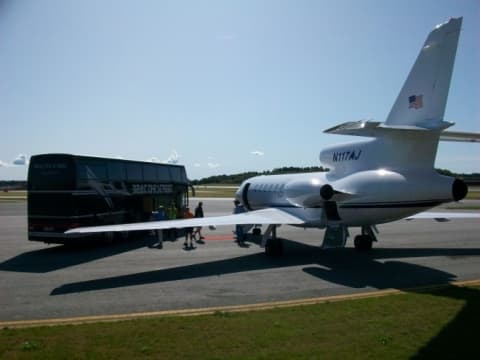
Sleeper buses are the operational backbone of multi-date European touring. For productions running five or more shows across multiple countries, the nightliner is not a luxury; it is the most efficient way to move artists and crew between cities, arrive rested, and maintain performance quality across a demanding schedule. The European sleeper bus market is well developed, with operators based across the UK, Germany, Austria and beyond capable of covering any routing from Scandinavia to Iberia. The Showcase sleeper bus directory for Europe lists operators serving the full continental circuit.
How European Sleeper Bus Routing Works
The standard European touring model pairs a nightliner with a production truck or trucks. The bus handles artist and crew movement overnight between cities while production freight moves separately. Productions typically load out after the show, drive overnight, and arrive at the next venue in the morning, allowing for a full production day without the cost and complexity of flying the full touring party. For legs covering Germany, Benelux, France and the UK, the nightliner circuit is well established and operators are familiar with border crossings, driver regulations and the specific demands of touring productions.
Driver hours regulations under EU rules govern how far a bus can travel in a single overnight run. Productions planning routing with long overnight distances need to factor in driver changeovers or rest stops. Reputable operators plan this into the schedule from the outset. Tour managers sourcing buses for complex European legs should discuss routing specifics with operators before confirming bookings.
Operators on the European Circuit
Beat The Street, based in Fritzens, Austria, is one of the most established names in European tour bussing. Operating from a central European base, Beat The Street is well positioned for legs routing through Germany, Austria, Switzerland, Italy and Eastern Europe, with a long track record on major international tours. Their Austrian base gives a geographic advantage for productions entering Europe from the east or routing through the Alpine corridor.
MM Band Services in Hull is a UK-based operator with strong European capability. Hull's North Sea ferry connections to Rotterdam and Zeebrugge make it a practical base for productions moving between the UK and the continent, and MM Band Services is experienced in the cross-channel logistics that became more complex post-Brexit.
Phoenix Bussing Services in Romsey operates across the full range of production sizes, from club-level touring through to arena and festival productions, maintaining fleet covering single and double-decker configurations. Romsey's position near Southampton gives good access to both the M3 corridor for UK touring and cross-channel routes for European legs.
Absolute Touring GmbH in Cologne is a German-based operator with deep roots in the European touring market. Operating from one of Germany's principal touring hubs, Absolute Touring is well placed for productions routing through the Rhine-Ruhr corridor, Benelux and France. German-based operators carry specific advantages for productions spending the majority of their European leg on the continent, reducing the cross-channel logistics that affect UK-based fleets.
Post-Brexit Practicalities
Post-Brexit touring has added complexity to productions moving between the UK and continental Europe. UK-registered coaches operating in the EU are subject to cabotage restrictions; a UK bus cannot carry passengers between two EU cities without specific permits. Productions routing UK dates alongside EU dates need to plan bussing arrangements carefully, either using operators with both UK and EU-registered vehicles or switching buses at the channel crossing. This must be addressed at the planning stage. Tour managers handling European routing should discuss documentation requirements directly with their chosen operator before confirming contracts. The travel visas, carnets and work permits directory covers specialist agents who handle this documentation.
Selecting the Right Configuration
Single-decker nightliners typically carry 10 to 14 bunks with a front lounge, rear lounge and galley kitchen. Double-decker configurations extend bunk capacity to 20 or more, with separate zones for artist and crew if required. Productions with large touring parties may require two buses: one for artist and core production, one for crew. Wi-Fi, climate control and luggage storage are standard on modern fleet vehicles. Productions with specific requirements should confirm these at the enquiry stage. For shorter legs without overnight travel, the splitter vans directory covers day-travel alternatives.
Booking Lead Times
European sleeper bus availability follows the festival calendar closely. The summer season from late May through August creates peak demand, and buses book out well in advance for the major festival periods. Productions with confirmed summer festival dates should secure bussing four to six months ahead. Standard European touring dates outside festival season can typically be confirmed with six to twelve weeks notice, though productions requiring multiple buses or specific configurations should allow longer.
Tour Managers
Productions building out a European leg need experienced tour managers familiar with nightliner logistics, driver regulations and cross-border documentation. Entourage Pro's crew finder connects productions with tour managers who have European touring experience. Related services include production trucking for freight movement alongside the bussing operation and tour production and management services for full touring infrastructure. The International Road Transport Union (IRU) is the global organisation for road transport operators and publishes guidance on driver hours, tachograph regulations and cross-border documentation relevant to touring nightliner operations across Europe.
Common Questions
Can a UK-registered sleeper bus operate across a full European tour?
Not without restrictions. Post-Brexit cabotage rules limit UK-registered coaches operating between EU cities. Productions routing UK and EU dates on the same leg need operators with appropriate cross-border operating authority, or should plan for a bus changeover at the channel crossing. Discuss this with your operator at the planning stage.
How many bunks does a standard European tour bus have?
Single-decker nightliners typically carry 10 to 14 bunks. Double-decker configurations extend this to 20 or more. Productions with touring parties larger than 12 to 14 people usually require two buses. Confirm bunk count and configuration with your operator including any requirements for taller touring party members.
How far in advance should I book for a European summer festival run?
Four to six months in advance for peak summer festival dates. The window from late May through August is the busiest period, with major festivals creating concentrated demand on operator fleets. Standard European touring dates outside festival season can typically be confirmed with six to twelve weeks notice.
Find Sleeper Bus Hire in Europe
The European sleeper bus directory on Showcase lists operators across the UK, Germany, Austria, Denmark, Belgium, Spain, France and Poland. Browse sleeper buses worldwide or visit Showcase Music Directory for trucking, splitter vans, tour production services and full European touring infrastructure.
Find the right provider
Find sleeper bus hire across Europe for touring productions. Premier nightliner operators in the UK, Germany, Austria and beyond for multi-date tours.